


Understanding Digital X-Ray: A Modern Diagnostic Essential
X-rays have been the central diagnostic equipment in modern medicine. Due to technological advancements, digital X-ray has been an anachronism for many years in most hospitals. It’s quicker, safer, and crisper images—allowing doctors to diagnose early and precisely. Whether a fracture, lung pneumonia, or a dental issue, digital X-ray is an important diagnostic and planning tool for treatment.
What is a Digital X-Ray?
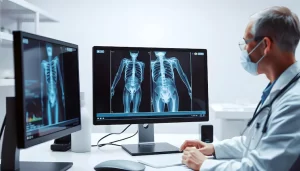
Digital X-ray is also a form of medical imaging that employs digital sensors instead of photographic film to produce images of internal bodies. When X-rays travel through your body, they’re filtered in greater quantities based on the material’s density—more will be filtered through bones and will be white, and more soft tissues will be dark. With digital, they’re captured in real-time and instantaneously displayed on a screen to be viewed.
This effortless availability of high-resolution pictures in minutes allows healthcare professionals to promptly diagnose conditions and start treatment right away within minutes.

Key Advantages of Digital X-Ray
There are some key reasons why digital X-ray has emerged as the preferred imaging technology for clinics and hospitals:
- Less Radiation Exposure: Perhaps one of the best benefits of digital X-rays, apart from convenience, is that they expose patients to up to 80% less radiation than film-based X-rays, which is less dangerous for patients—especially children and those who need to be scanned repeatedly.
- Rapid Results: Since the images come on the screen simultaneously, one can skip waiting for films to be developed. This means less time for diagnosis and treatment.
- Improved Image Quality: Digital X-rays produce sharper, cleaner images that can be brightened, enlarged, or adjusted for improved visualization—allowing physicians to detect even small issues more easily.
- Easy to Store and Share: Images can be stored electronically, saved in your medical record, and shared with specialists as needed—simplifying patient care.
- Eco-Friendly: Because digital X-rays do not require chemicals and film, they are gentler on the environment.
When Is a Digital X-Ray Necessary?
Digital X-rays are utilized for a very broad range of medical ailments. Some uses include:
- Diagnosis of fracture, dislocation, or bone trauma
- Diagnosis of diseases like pneumonia or pulmonary tuberculosis
- Dental problems like cavities or impacted teeth
- Diagnosis of kidney stones or blockages of the digestive system
- Tracking long-term conditions like arthritis
Acute trauma or a chronic disease, a digital X-ray provides you with clear and immediate insight.
What Happens During the Procedure
It’s easy, fast, and not painful to have a digital X-ray. You’ll stand, sit, or remain reclining based on where the body part that will be scanned is located. The technician will position you carefully and even wear protective gear, such as a lead apron, over other parts of your body. The scanning process lasts just a couple of seconds, and you can go back to normal immediately.
Is It Safe?
Yes. Digital X-ray is quite safe. The dose of radiation used is extremely low and well within international safety guidelines of health authorities. Pregnant ladies must always inform their physician before any imaging investigation.
Conclusion
Digital X-ray has revolutionized medical imaging, bringing greater clarity, speed, and safety to both patients and healthcare professionals. We’re equipped with advanced digital X-ray systems to ensure that every diagnosis is accurate and every patient receives the care they deserve.